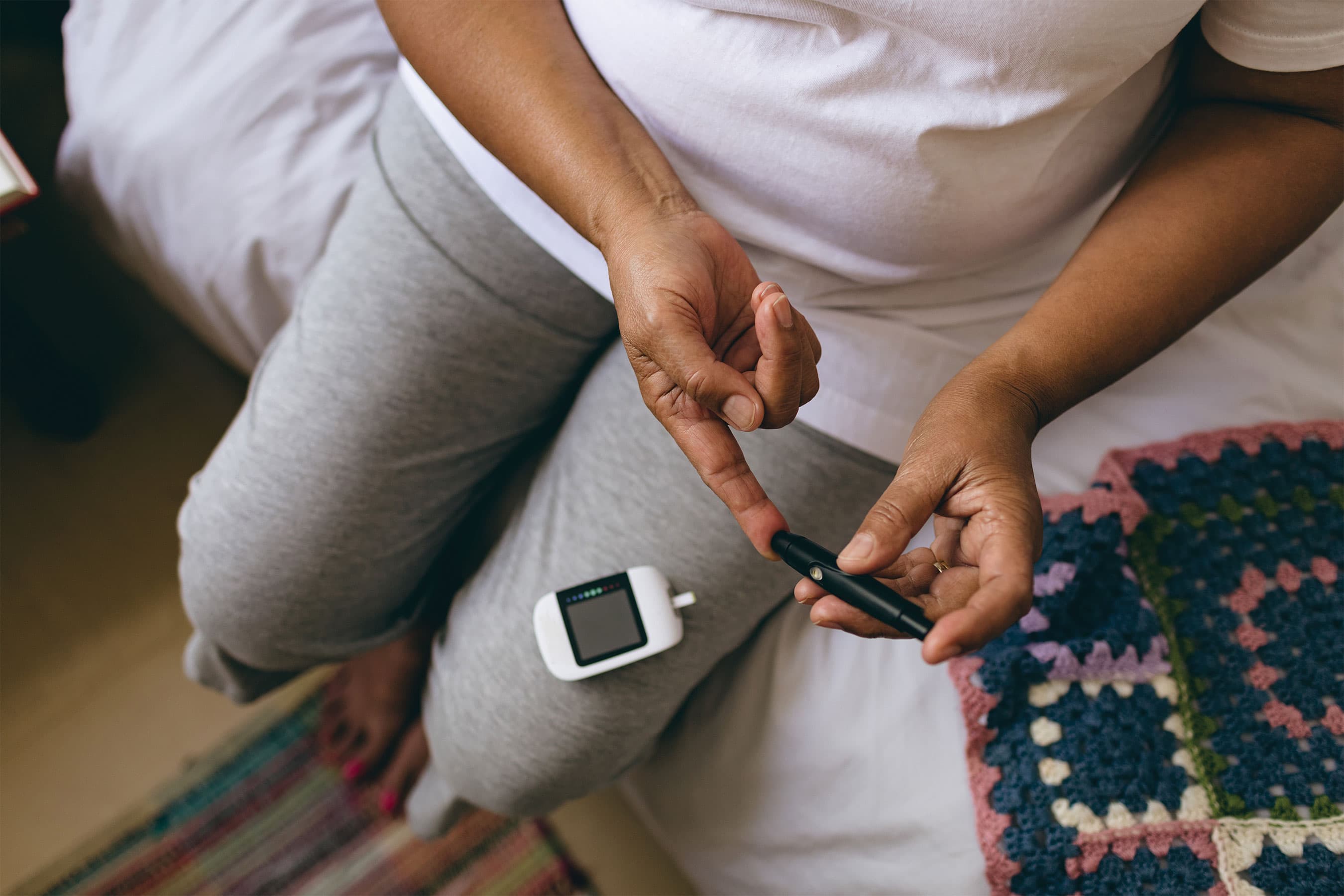
Diabetes is a chronic health condition that affects how your body turns food into energy. It happens when there is too much sugar (glucose) in the blood. Glucose needs to get into the cells to be used for energy. Insulin is the hormone needed for glucose to get from the blood into the cells. Diabetes results when no insulin is made, not enough insulin is made, or the body does not use insulin well.
One test used to diagnose diabetes is a fasting blood glucose (sugar) test. Another test is the A1C test which measures your average blood sugar level over the past 2 or 3 months.
Fasting Blood Glucose Test
99 mg/dL and below
Normal
100 to 125 mg/dL
Prediabetes
126 mg/dL and above
Diabetes
A1C Test
• 5.6% and below: Normal
• 5.7%-6.4%: Prediabetes
• 6.5% and above: Diabetes
Overweight and obese adults between ages 35 and 70 years old should be tested for prediabetes and type 2 diabetes. Follow your doctor’s advice for screening tests for diabetes.
Types
Type 1
With this type, the pancreas gland makes no insulin or very small amounts. Often, the pancreas has fewer cells that make insulin. Although this type can happen at any age, it occurs most often in children and young adults.
Type 2
With this type, the pancreas does not make enough insulin or the body does not use insulin properly, which is called insulin resistance. Often, this occurs in persons who are overweight and/or who don’t exercise. Modest weight loss and moderate physical activity can delay or help prevent type 2 diabetes.
Gestational
This type occurs during pregnancy. It usually ends when the pregnancy ends. However, it does increase the risk for the mother to get diabetes in the future. The mother will need follow-up blood sugar checks.
Prediabetes
With this type, blood glucose levels are higher than normal, but not high enough to be diagnosed with diabetes. Many people with prediabetes develop type 2 diabetes within 10 years. Modest weight loss and moderate physical activity can delay or help prevent type 2 diabetes.
Signs & Symptoms
These are some symptoms of diabetes:
Urinate a lot, often at night
Are very thirsty
Are very hungry
Lose weight without trying
Have sores that heal slowly
Feel very tired
Blurry vision
If you have any of these symptoms, see your doctor. In type 1 diabetes, symptoms tend to come on quickly. In type 2, symptoms tend to come on more slowly. You can even have diabetes without any symptoms.
A screening test can detect diabetes early which may reduce other health problems related to diabetes.
Diabetes has no cure, but it can be managed with diet, physical activity, and medication. Set management goals with your doctor. In general, aim to keep blood sugar levels between 80 and 130 mg/dL before meals; and less than 180 mg/dL two hours after starting a meal.
Risk Factors
Discuss your risk for diabetes with your doctor or health care provider.
Type 1 Diabetes
This type is thought to be caused by an autoimmune reaction (body attacks itself by mistake).
You have a family history of type 1 diabetes.
You had a virus that has injured the pancreas gland or a problem that has destroyed cells in the pancreas gland that make insulin.
Type 2 Diabetes
Your parent or sibling has diabetes.
You are overweight. You are not physically active.
You are age 45 or older. You have prediabetes.
You are female with a past history of gestational diabetes and/or you gave birth to a baby who weighed over 9 pounds.
You come from ethnic groups that are more prone to diabetes: African Americans, Latinos, Native Americans, Asian Americans, and Pacific Islanders.
Health Problems Related to Diabetes
When diabetes is left untreated or not treated well, you are at an increased risk for these health problems:
Heart disease. Stroke.
Nerve damage and skin conditions
Poor circulation
Foot problems
Vision loss, including blindness
Infections in general and slow healing of wounds
Sexual and bladder problems
Kidney disease
Gangrene. Sometimes this is so severe that the affected limb must be amputated.
Depression. Anxiety.
Medical Care: Your Health Care Team
See your health care team at least twice a year to find and treat any problems early.
You: You are the most important member to care for your diabetes.
Your Primary Care Doctor: Your primary care doctor usually heads up your health care team. They may consult or have you see an endocrinologist. This doctor has special training in diabetes and other disorders of internal glands.
Nurse Educator or Certified Diabetes Educator (CDE): This health care provider is trained and certified to teach you how to manage your diabetes on a day-to-day basis.
Registered Dietitian: This person is trained and certified to help you learn what to eat.
Podiatrist: This doctor gives foot care and treats foot problems.
Eye Doctor: This is an ophthalmologist (medical doctor) or optometrist who can check for changes in the blood vessels in your eyes and do retinal screening exams. An ophthalmologist also treats eye diseases and injuries and performs eye surgery.
Exercise Specialist: This is a person trained to plan an exercise program that meets your needs.
Dentist: This doctor gives regular dental care and diagnoses and treats gum disease. Your health care plan may or may not cover dental care.
Mental Health Professional: This is a person trained to help you to cope with a chronic disease. This can be a psychologist, social worker, etc.
Medication
Type 2 diabetes. Medications are taken by mouth and others are injected. Common ones include:
Metformin: Decreases the amount of glucose produced by the liver
GLP-1 & GIP Receptor Agonists (e.g. Ozempic): Lowers blood glucose levels and reduces body weight
SGLT2 Inhibitors (e.g. bexagliflozin): Works in the kidneys to eliminate excess glucose in the urine
Sulfonylureas (e.g. glimepiride): Helps the pancreas release more insulin
Insulin. There are different types based on how fast and over how many hours they work. People with type 1 diabetes need insulin. Some persons with type 2 diabetes need insulin. It can be given through:
Insulin injections (shots or insulin pens)
Insulin pump (small, portable device to inject insulin into the body)
Other medicines, as needed, to manage blood pressure, blood cholesterol levels, etc.
Exams & Tests
If you have diabetes, have exams and tests, as advised. In general, you should have the following:
Exam or Test
When
Blood pressure
Every office visit
Blood test for total cholesterol, HDL, LDL, and triglycerides
Every year or as advised
Blood test for Glycated Hemoglobin*(A1C)
2 to 4 times a year
Dental checkup
2 times a year
Eye exam (includes dilating pupils)
Every year
Complete foot exam
Every year
Flu shot
Every year
Pneumonia and COVID vaccine
As advised by doctor
Test to check for protein
Every year
Weight
Every office visit
Mental health check
As needed
Self-Care
Keep Track of Your Blood Glucose
Test your blood sugar, as advised. People with type 1 diabetes may test before each meal and at bedtime. People with type 2 diabetes may test every other day or daily and at certain times.
Keep a log of your blood sugar results in a logbook or phone app. Note any reasons that could help explain why your blood sugar is higher or lower than usual. Share this log with your health care provider.
Sick Care
Rest as much as you can.
Drink plenty of fluids.
Follow sick-day plans as discussed with your doctor:
Self-testing of blood sugar and ketones in urine
What to eat and drink
How to adjust insulin or other medicine you take
Manage Stress
Try some relaxation exercises, such as meditation, yoga, or breathing exercises.
Talk to a trusted friend.
Get regular “me” time. Get outside or do something fun.
Get good quality sleep.
Talk to a mental health professional or join a support group.
Skin Care
To reduce the risk of skin problems and infections:
Keep your skin clean. Bathe or shower daily with warm water and a mild soap.
Apply lotion to your skin to keep it moist.
Protect your skin from damage.
Treat cuts right away. Clean the area and cover the area with a clean, dry bandage. Call your doctor if the injury does not start to heal in a day or two or if you notice signs of infection (redness, swelling, pus, throbbing, and pain).
Avoid sunburn. Use a “broad spectrum” sunscreen, with an SPF of 30 or higher.
Eat Well
There is no one diabetes diet. Work with a dietitian or diabetes educator to create a healthy eating plan that works for you. In general:
Lose weight if you are overweight.
Focus on eating whole foods instead of highly processed foods. Limit foods high in sodium (salt).
Follow a meal plan and eat meals at regular times. Include more nonstarchy vegetables, such as broccoli, leafy greens, and tomatoes.
Limit or avoid sugary foods and drinks.
Choose quality carbohydrates, such as whole grain bread, pasta, cereals, beans, and lentils. Include starchy vegetables in moderation, such as potatoes, winter squash, and corn. These foods are also often good sources of fiber, which is important in maintaining healthy blood sugar levels and satisfying hunger.
Limit saturated fats. Choose nonfat dairy foods, lean meats, and limit hydrogenated fats found in many processed foods. Choose healthy fats and oils, such as canola and olive, avocado, nuts and seeds, and salmon.
Limit alcohol. Follow your doctor’s advice.
Exercise & Movement
Regular movement helps control your weight and blood sugar. It also lowers your blood cholesterol, blood pressure and risk of heart disease. It may also reduce the amount of medicine you need to take for your diabetes and make you feel better. Aim for at least 150 minutes a week of exercise and regular movement.
Follow your health care provider’s advice about the best times to exercise related to the diabetes medicine you take, when you eat, and your daily schedule(s). Change your pattern of exercise gradually, not suddenly. A change in exercise may require a change in medicine.
If advised, test your blood glucose before and after exercise.
When you exercise, have with you a carbohydrate source, such as fruit juice, hard candies, or glucose gel or tablets, especially if you have type 1 diabetes. For each of these, take the amount as advised by your health care provider.
Depending on your fitness, begin by taking it slow. Small changes can make a difference. For example, take the stairs instead of the elevator, play with your kids outside, or take an after-dinner walk in the evening.
Foot Care
Check your feet every day. Let your health care provider know of any problems (swelling, redness, other color changes, ingrown toenails, corns and foot injuries). Use a mirror to look at the bottom of your feet.
Wash your feet and dry them thoroughly every day.
Moisturize your feet but avoid moisturizing between your toes.
Wear shoes and slippers that fit your feet well. Don’t go barefoot, indoors or outdoors.
Cut nails straight across and not too close to the skin. Have a foot doctor cut your toenails, if advised.
Other Self-Care Tips
If advised, test your urine for ketones. These are harmful acids that build up in the blood and urine when blood sugar is very high.
Keep a journal or log of your blood glucose levels, your food intake and the exercises you do. Show this to your health care provider.
Learn the warning signs of too little or too much blood glucose.
Buy and wear a medical alert tag. Get one from a drug store or from MedicAlert Foundation at 800-432-5378 or medicalert.org.
Low blood sugar can happen if you:
Skip or don’t finish meals or snacks
Wait too long to eat
Exercise more than usual
Take excess diabetes medicine or insulin
Low blood sugar is especially common in people with type 1 diabetes. This can be dangerous if left untreated.
Symptoms
Shaky feeling
Hunger
Weakness
Dizziness
Rapid pulse
Sweating
Cold, clammy skin
Sudden blurred or double vision
Headache
Numbness or tingling around the mouth and lips
Sudden mood changes. Irritable. Confusion.
Faintness. You may pass out.
What to Do
If you can, check your blood sugar. If it is lower than the level set by your health care provider, such as 70 mg/dL, drink or eat 15 grams of a “fast acting” carbohydrate. Examples are:
1/2 cup (4 ounces) fruit juice or regular (not diet) pop
5 or 6 regular (not sugar-free) hard candies
1 tablespoon of sugar, honey, or corn syrup
6 to 10 gumdrops or jelly beans. See the food label for how many to consume for 15 grams of carbohydrate.
4 glucose tablets or 1 tube of glucose gel. Drug stores sell these.
If you don’t feel better after 15 minutes, take the same amount of sugar source again. If you still don’t feel better, call your doctor.
If your next meal is more than 1 hour away, have a balanced snack with protein and carbohydrates.
If a person with diabetes passes out, can’t swallow, or can’t be roused, get emergency care. Use the prescribed emergency glucagon, available as an injection or nasal spray. It will quickly raise blood sugar levels. Call 911 for emergency medical care. Do not give insulin, food or liquids.
This can happen if you: Get sick; eat more than planned or exercised less; don’t take your insulin or diabetes pills or don’t take enough of them.
Symptoms
Extreme thirst
Urinating often
Nausea
Acting irritable
Dry, itchy skin
Feeling very sleepy
Blurred vision
What to Do
Check your blood sugar. Follow your doctor’s advice for your blood sugar level. If it is over 240 mg/dL or if you are sick, you may need to check your urine for ketones. If you have ketones, do not exercise. Call your doctor right away if your urine has moderate ketone levels.
Review your diabetes management plan with your doctor.
Diabetic Emergencies: High Blood Sugar with Ketones in the Blood
This is a serious condition. It can result in a coma or death if not treated immediately. It occurs in persons who have type 1 diabetes, but it can also occur with type 2 diabetes. It is called diabetic ketoacidosis.
Early Symptoms
Intense thirst. Dry mouth.
High blood glucose levels
Urinating often
High level of ketones in the urine
Later Symptoms
Tiredness. Dry, flushed skin.
Nausea and/or vomiting
“Fruity” breath odor
Shortness of breath
Lethargy. Can’t be roused.
What to Do
Call your doctor right away for advice.
If you can’t reach your doctor, get to a hospital emergency department or call 911 right away.
Diabetic Emergencies: High Blood Glucose without Ketones
This is called hyperosmolar hyperglycemic nonketonic syndrome (HHNS). It occurs most often in persons who have type 2 diabetes. It usually comes after an infection or another illness, such as a heart attack or stroke, or the flu, that caused dehydration. Or, not taking prescribed diabetes medicines. If it is not treated, seizures, coma and even death can occur.
Symptoms
Dehydration. This may be the only symptom.
Warning Signs of HHNS
Symptoms may get worse over days or weeks:
Extreme thirst
Very high blood glucose levels (over 600 mg/dL)
High fever
May have vision loss
Sleepiness or confusion
What to Do
Get to a hospital emergency department or call 911 right away.