Fractured Jaw
July 20, 2026
Online Clinic
Dental & Mouth
Dental & Mouth Conditions
© American Institute for Preventive Medicine. All Rights Reserved. HealthyLife.com
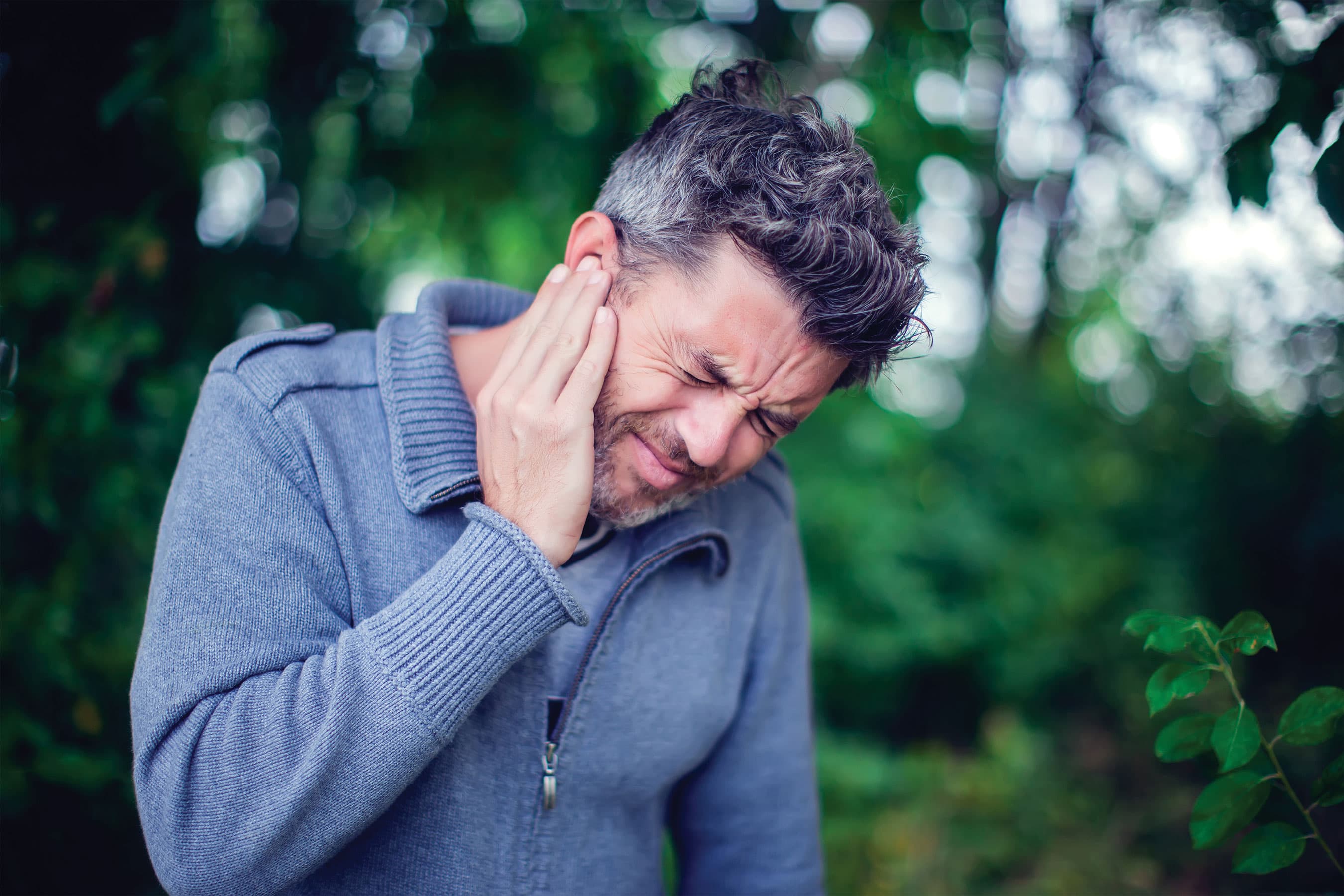
A fractured (or broken) jaw is when the jaw bone breaks.
Signs & Symptoms
- Jaw and/or facial pain, swelling, or numbness
- Not being able to open or close the mouth normally
- Bleeding from the mouth
- Having a hard time drinking, speaking, and swallowing
- Drooling
- The jaw area is bruised or discolored
- Teeth are loose or damaged
- The jaw area is tender to touch
Causes
Most often, the cause is trauma from a blow to the face, such as from a car crash, sports injury, assault, fall, etc. Osteoporosis can also be the cause.
Treatment
A fractured jaw needs emergency medical care.
- The injury caused a lot of bleeding or obstructs your airway.
- Jaw or face is tender, painful, stiff, swollen, or bruised.
- You have a very hard time or can’t open your mouth widely. Or, you can’t close your mouth or move the jaw at all.
Self-Care / Prevention
- First Aid Before Medical Care
- Gently align the jaws. Do not use force.
- Try not to talk. Write notes instead.
- Close your mouth and secure the jaw with a necktie, towel, or scarf tied around your head and chin. Remove this if vomiting occurs. Tie it back when vomiting stops. If you don’t have anything to tie the jaw with, keep it from moving by holding the jaw gently with your hands.
- Hold an ice pack on the fractured bone to reduce pain and swelling.
Self-Care after Jaw Surgery
- Follow post-operative instructions from your doctor.
- Remove elastic bands if you are choking on food or need to vomit. Go to the dentist to replace the elastic bands.
Prevent a Fractured Jaw
- Wear a seat belt whenever you ride in a car, etc.
- Wear protective gear, as needed, for boxing, football, etc.