Dental Health
July 20, 2026
Online Clinic
Dental & Mouth
Dental Health Tips
Dental problems affect more than your teeth and mouth. Gum (periodontal) disease and other mouth infections may increase the risk for pneumonia, heart disease, and diabetes.
Protect Teeth from Damage & Injury
- Don’t chew on ice, pens, pencils, etc. Don’t use your teeth to pry things open.
- If you grind your teeth at night, ask your dentist if you should be fitted for and wear a bite plate.
- Discuss the need of using a mouthguard or other device to protect your teeth with your dentist.
- Always wear a seat belt when riding in a car.
- Don’t suck on lemons or chew aspirin or vitamin C tablets. Acids in these wear away tooth enamel.
Teeth & Gum Care
- Brush and floss your teeth twice a day.
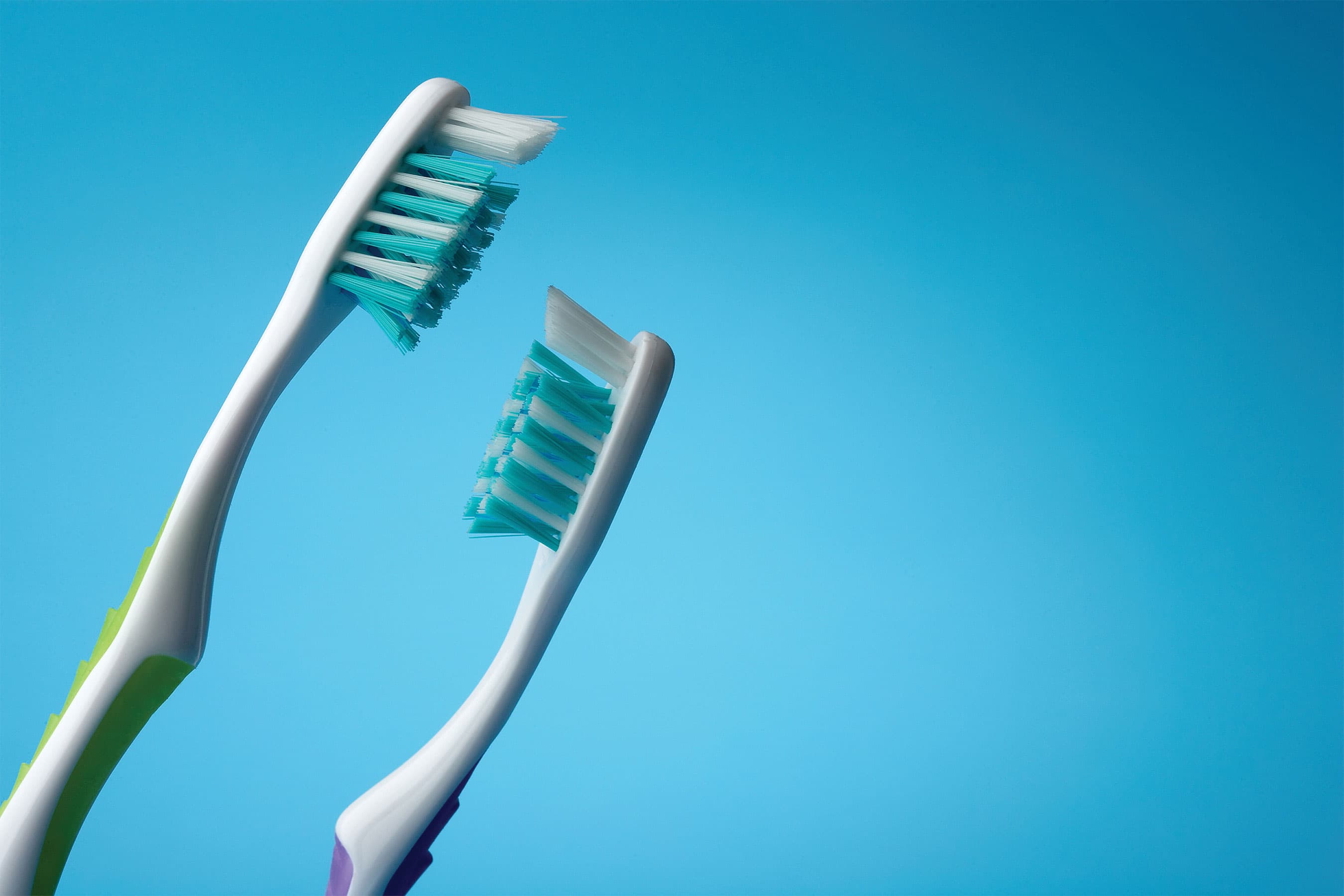
- Brush your teeth with a soft-bristled toothbrush that fits your mouth. Use fluoride. Brush with a gentle touch.
- Brush in small circles across all of the surfaces of the upper and lower teeth. Brush the outer, inner, and chewing surfaces. Brush the surfaces between the teeth.
- Floss or use an interdental cleaner once a day to remove food particles and plaque from areas that your toothbrush cannot reach.
- After flossing, rinse your mouth with water, mouthwash, or an anti-microbial mouthrinse.
Diet & Dental Health Tips
- See your dentist every 6 months, at least every year, or as often as advised.
- If your local water supply has fluoride, drink 6 to 10 cups of tap water every day. If not, make sure to use a fluoride toothpaste.
- Eat a well balanced diet. Limit between-meal snacks.
- Eat sticky, chewy, sugary foods with (not between) meals. Finish a meal with foods that help buffer acid formation. Examples are cheese, meat, fish, nuts, and dill pickles.
- Avoid sugar-sweetened gum and beverages. Chew a sugar-free gum instead, and swap out sugary drinks with water.
- Don’t eat sweets, fruit, or starchy foods just before bedtime. Your mouth makes less saliva during the night. This allows cavity-causing bacteria to feed on food particles. Brushing your teeth doesn’t effectively prevent this.