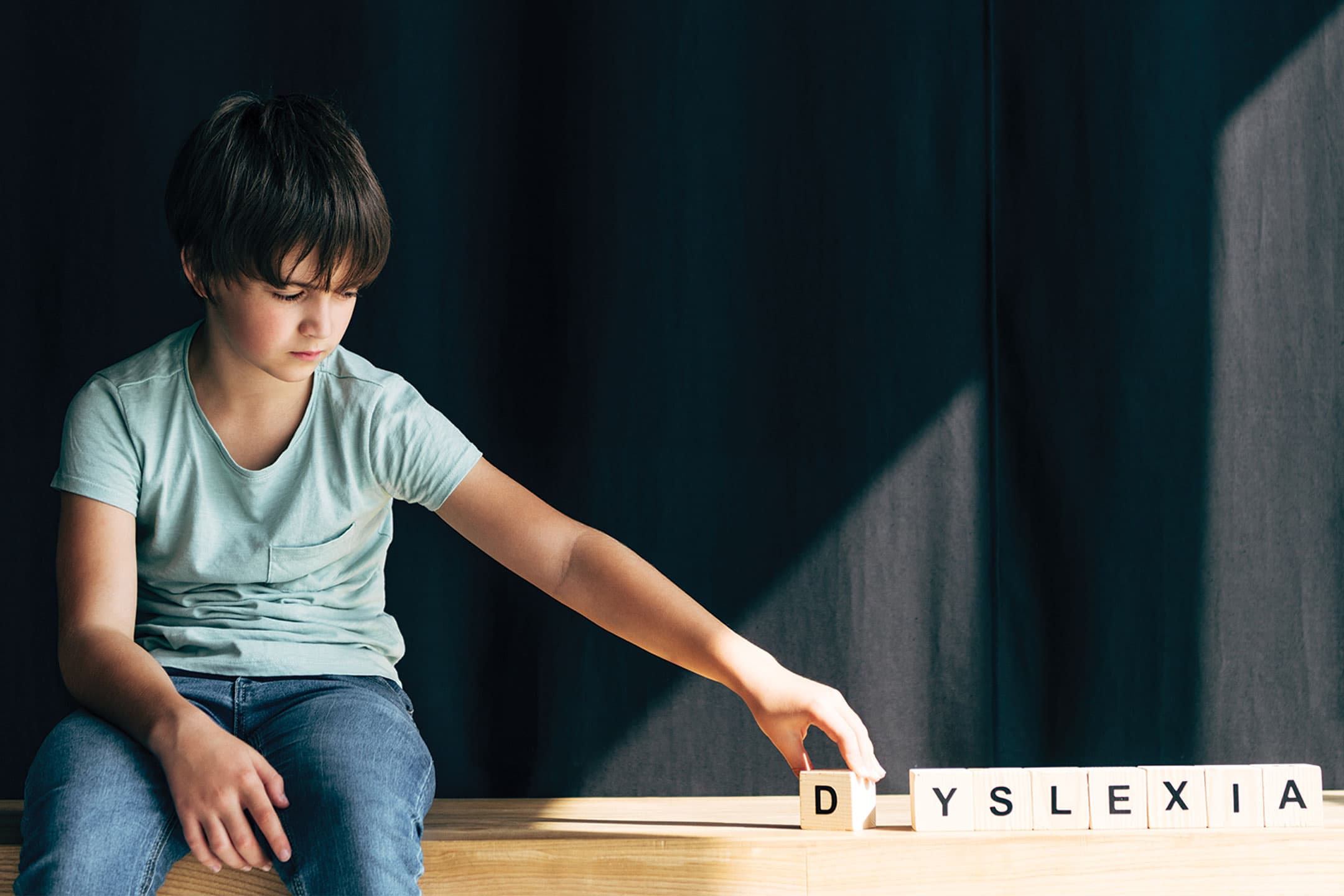
Understanding Dyslexia
July 6, 2026
Online Clinic
Children's Health
Dyslexia is a learning disability that impacts the ability to read. While the condition can be frustrating, people with dyslexia have more resources available than ever before. With proper support, they can build the skills needed to adapt and learn.
Causes
Dyslexia is neurobiological, meaning it is caused by how the brain is “wired.” Many people with dyslexia are born with a brain that has difficulty interpreting written information. However, dyslexia can develop as a result of a brain injury or dementia.
Dyslexia isn’t related to a person’s intelligence. People of all intellectual abilities may be affected by dyslexia. Just because someone has difficulty processing written information doesn’t mean they don’t understand the concepts.
Genetics may play a role in the development of dyslexia. While the exact cause of the condition is unknown, research is ongoing to further clarify its origin and treatment.
Signs
While no single test can diagnose dyslexia, a doctor will look at a range of signs and symptoms. Information from family history, medical history, reading evaluations, psychological testing, and other factors provide the basis for a diagnosis.
Here are some common signs of dyslexia:
- Reading or writing slowly
- Writing letters in the wrong order
- Difficulty telling similar letters or words apart
- Problems spelling
- Difficulty planning and organizing
- Avoidance of activities that involve reading
- Problems remembering sequences
Support
Early identification of dyslexia is vital, especially for young children. With the right support, most individuals can be successful in school and at work. Effective treatment involves providing a supportive environment and individualized instruction to teach techniques that make reading easier. These include:
- Helping a child use multiple senses to identify written words
- Tutoring sessions with a reading specialist
- A school Individual Education Program (IEP) that guarantees learning support
- Reading aloud to children and having them practice reading aloud
- Utilizing technology to aid reading and writing