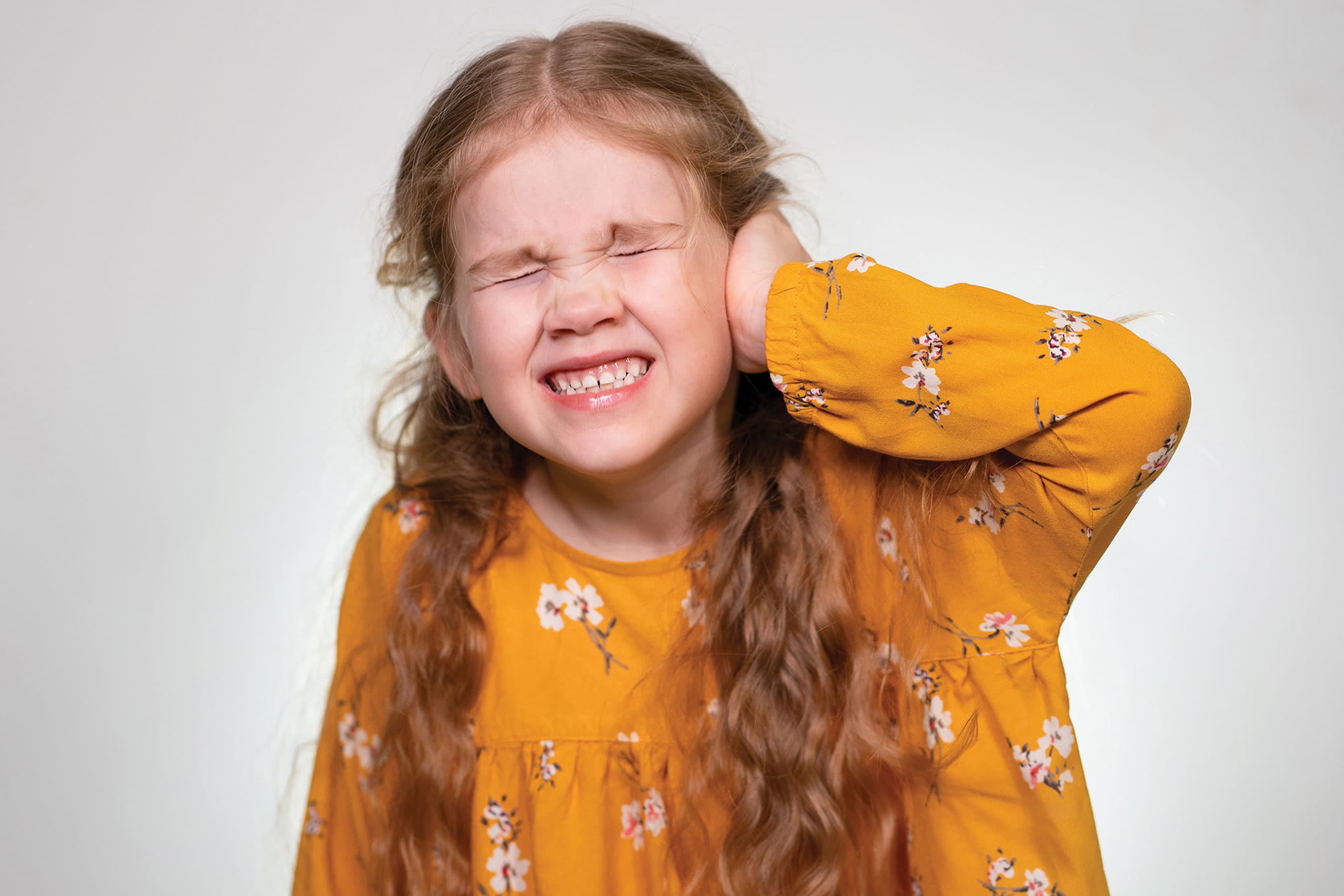
Earaches in Children
July 6, 2026
Online Clinic
Children's Health
An earache is when the ear hurts. Children get earaches a lot. They get them most often between 6 months and 2 years old. But earaches can be a problem up to age 10. The pain can be minor or very bad.
Causes
Earaches are a sign that something is wrong. The most common cause of an earache is plugged Eustachian tubes. These tubes go from the back of the throat to the middle ear. Most earaches in children come from infections in the middle ear. They happen a lot after a cold or other infection in the head or throat. Here are some other things that can cause earaches:
- Changes in air pressure on a plane.
- Something stuck in the ear, including hard ear wax.
- Tooth problems. Ear injuries.
- Allergies.
Your child’s doctor should treat very bad ear pain. They may tell you to give your child acetaminophen or ibuprofen. Make sure you give the right kind and dose for your child’s weight. The doctor may also have you give your child medicines to dry up or clear a blocked ear. Let the doctor decide if an antibiotic is needed.
You can use self-care on your child if the pain isn’t bad, and if there are no other symptoms. One example is a mild case of “swimmer’s ear.”
Prevention
- Don’t put things in your child’s ears like cotton swabs, bobby pins, or your fingers. You can hurt the eardrums.
- Don’t smoke. Don’t let your child smoke. Keep your child away from secondhand smoke.
- Make sure your child gets in the habit of washing their hands, especially after playing around other kids.
- Avoid giving a bottle to a baby when they are lying down.
Self-Care
Help with Pain
- Put a warm washcloth next to the sore ear. Or put an ice bag or ice in a wet washcloth over the ear for 20 minutes.
- Give your child acetaminophen or ibuprofen. Make sure you give the right kind and dose for your child’s weight. (Note: Do not give aspirin. Aspirin and other medicines that have salicylates have been linked to Reye’s Syndrome.)
Open Up Eustachian Tubes