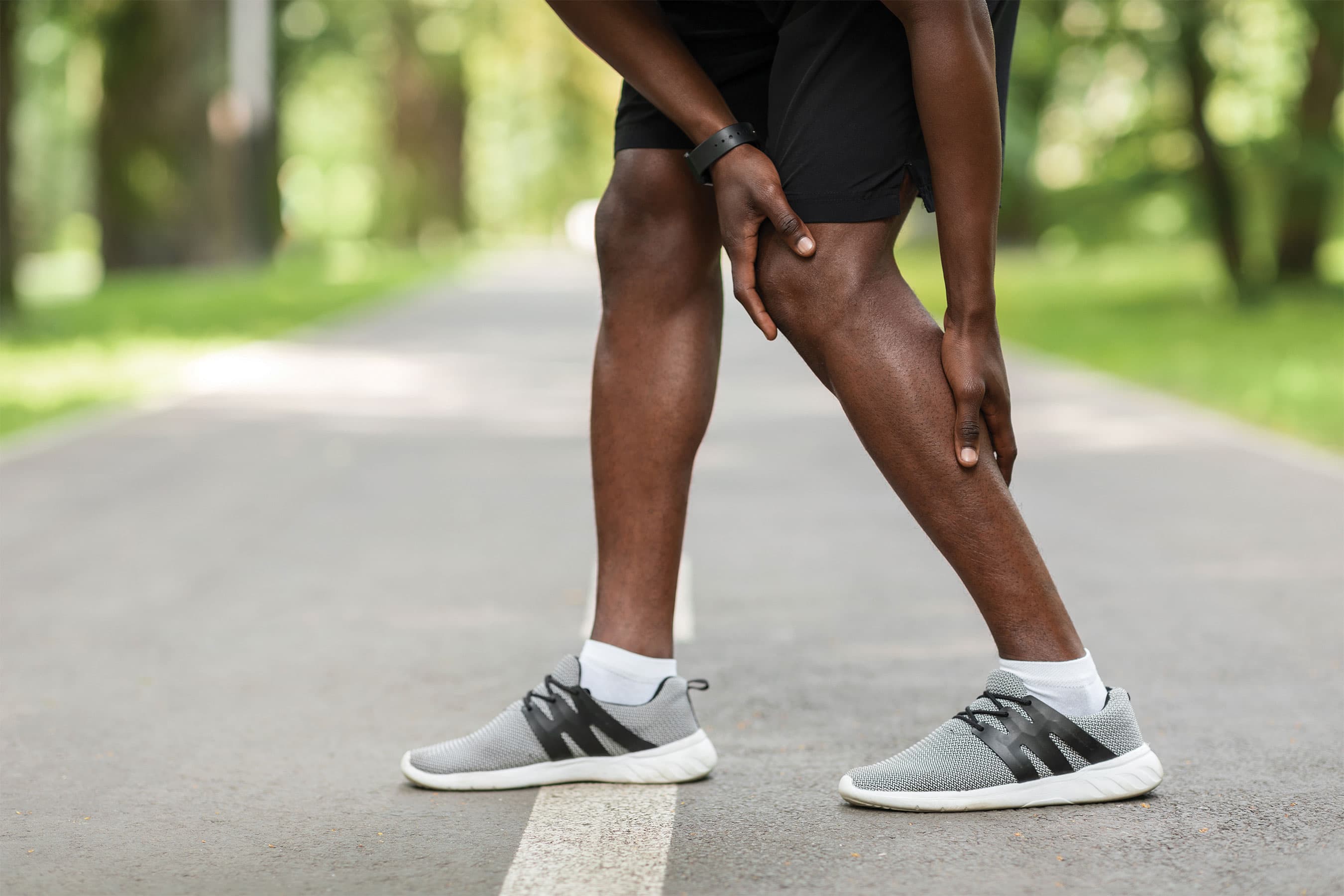
Take an over-the-counter medicine for pain as directed on the label. If the pain is not better after a few doses, call your doctor.
Use a heating pad (set on low), a hot pack, or a moist, warm towel on the area of pain. If the pain is due to an injury, don’t use heat for 48 hours. Use R.I.C.E.
Paget’s Disease
If needed, take an over-the-counter medicine for pain as directed on the label.
Take other medicines as prescribed by your doctor.
Get regular checkups to detect hearing loss.
R.I.C.E.
Rest the injured area for 24 to 48 hours.
Ice the area as soon as possible. Keep doing this for 10 minutes every 2 hours for the first 48 hours. Use an ice pack, ice in a heavy plastic bag with a little water, a bag of frozen vegetables, etc. Put a thin towel between the ice pack and the skin.
Compress the area. Wrap with an elastic bandage. Do not cut off circulation. Remove the bandage every 3 to 4 hours, for 15 to 20 minutes each time.
Elevate the area above heart level, if possible. Place it on a pillow, folded blanket, stack of newspapers, etc.
Prevent Leg & Ankle Pain
Get to and stay at a healthy weight.
Get regular exercise. This helps to keep ankle and leg muscles strong.
Before you exercise, warm up your muscles. When you are done, cool them down.
When you can, walk on grass or fine gravel instead of concrete.
Protect your knees. Use knee pads when you garden or kneel. When jumping, always land with bent knees. Avoid deep knee bend exercises.
Wear comfortable, low-heel shoes.
Take good care of your feet.
Prevent Leg Cramps
Get good sources of calcium, potassium, and magnesium.
Drink plenty of water and other fluids. Limit drinks with caffeine. Avoid drinks with alcohol. Doing these things can help prevent dehydration which could cause leg cramps.
Warm up your muscles before you exercise. Cool down your muscles when you are done.
With your doctor’s okay, wear elastic stockings while you are awake.
Before you go to bed, stretch your calf muscles. Here’s one way to do this:
Stand an arm’s length away from a wall. Lean against it with the palms of your hands.
Bend your left knee. Keep your right leg straight behind you. Keep both feet flat on the floor and your back straight.
Lean forward. Feel your right calf muscle stretch. Hold the stretch as you count to 10 slowly.
Repeat, switching leg positions.
Another way to stretch your calf muscles is to ride a stationary bicycle for a few minutes.
Take a warm bath before bedtime.
Sleep with loose-fitting blankets and night clothes. Keep your legs warm.
If you have severe leg cramps or get them often, tell your doctor. Ask if any medication you take could cause your leg cramps and how to treat them.
Pain in the legs or ankles can range from mild to severe. The type and amount of pain depends on the cause.
What to Do
Get medical care fast!
Get medical care fast!
Get medical care fast!
See doctor.
Get medical care fast. The bone may need to be reset. A splint or cast may need to be worn. {Note: Broken fingers, toes, and ribs don’t need a cast.} Muscles and joints near the fracture site need to be exercised.
Treatment for sprains, strains, and sports injuries depends on the injury and on the extent of damage. Self-care may be all that is needed for mild injuries. Sports injuries and sprains may need medical treatment. Some sprains need a cast. Others may need surgery if the tissue affected is torn.
See doctor. Get an appointment right away for a red streak up the leg.
See doctor.
See doctor.
Treatment for mild sciatica is rest, heat, and over-the-counter medicine for pain. Physical therapy may be helpful. In some cases, surgery to repair a herniated disk may be needed.
See doctor. Get to and stay at a healthy weight. Get regular exercise. Don’t overdo it, though. If you feel pain, stop. Prevent falls and sports injuries.
Signs & Symptoms
Pain, cramping, redness (may have shades of red, purple, and blue), or swelling in one ankle or leg. May be followed by severe shortness of breath that came on all of a sudden. May include coughing up blood or pink-frothy sputum. Chest pain.
Swelling of both ankles at the same time. Shortness of breath. May have a dry cough or a cough with pink, frothy mucus.
Sudden and severe pain in a leg that is not relieved with rest.
Muscle pain in one or both legs. Fatigue in the thighs, calves, and feet. This improves with rest. Open sores on the lower leg, ankles, or toes. Weak or no pulse in the affected limb. Cold or numb feet. Pale, bluish-colored toes.
Any of the signs that follow occur after a leg or ankle injury. A bone sticks out or bones in the injured limb make a grating sound. The injured limb looks deformed, crooked, or the wrong shape. You lose feeling in the injured limb. The skin under the affected injured area is cold and blue. The limb is very painful and/or swollen or you can’t bear weight on the limb or move it.
Pain in the leg or ankle after an injury that does not keep you from moving the limb.
Pain with fever, redness, tenderness, warmth and pus at a wound site. A red streak up the leg (rarely).
Sudden, severe pain in a toe, knee, or ankle joint. The pain can be felt even when clothing is rubbed against the joint. The joint area is swollen, red, or purplish in color. It also feels warm, and is very tender to the touch.
Leg pain that radiates from the lower back. Pain or stiffness in the knees. Bowing of the legs or other bone deformity. Unexplained bone fractures. May have headache, dizziness, hearing loss, and/or ringing in the ears.
Sharp pain from the buttocks down the leg. Numbness and tingling in the leg.
Pain, stiffness, and swelling, usually in both knees or ankle joints. Morning stiffness that lasts for 30 minutes or longer. The joint looks deformed. Weakness and fatigue. Dry mouth and dry, painful eyes.
What It Could Be
Deep-vein thrombosis (DVT) with or without a blood clot to the lung.
Heart failure
Peripheral vascular disease
Peripheral vascular disease
Broken bone or dislocation
Sprain, strain, or sport injury. Other overuse injury.
Infection. Could also be Cellulitis.
Gout
Paget’s disease. This is a bone disorder that progresses slowly. Most persons with this disease do not develop symptoms.
Sciatica
Rheumatoid arthritis
What to Do
See doctor. Get to and stay at a healthy weight. Get regular exercise. Don’t overdo it, though. If you feel pain, stop. Prevent falls and sports injuries.
See doctor. There is no cure. The focus of treatment is to prevent further bone loss and build new bone.
Medical treatment is not required unless problems result, such as deep-vein blood clot or severe bleeding which can be caused by injury to the vein. An X-ray of the vein (venogram) or a special ultrasound can tell if there are any problems.
See doctor.
See doctor. Try liniments and balms. These provide a cooling or warming sensation, but only mask the pain.
Call doctor.
Prescribed antiviral medicines can make flu symptoms milder and help you get better sooner if started within 48 hours (36 hours for children) of the start of flu symptoms. People with a chronic illness or parents with young children with symptoms should consult their doctors for advice to manage symptoms.
Straighten your leg and then pull your toes toward your shin to stretch the muscles. Gently rub or massage it upward. Walk and wiggle your toes. Elevate your leg when it starts to feel better. Apply a heating pad (set on low), a hot pack, or moist, warm towel to the muscle cramp. (Note: Do not rub a leg if you suspect phlebitis or thrombosis.)
Signs & Symptoms
Pain, stiffness, and sometimes swelling of the knee or ankle joints. Clicking or popping sound when joint bends. Often, the joint has gotten tender over months or years and may look enlarged or deformed.
Leg or ankle pain with gradual loss of height; stooped posture; backache; and/or past bone fractures, especially in the wrists and hips.
Pain or itching in the legs with swollen and twisted veins that look blue and are close to the surface of the skin. The veins bulge and feel heavy. Swelling in the legs and ankles.
Muscle or joint pain and chronic swelling of the knee joints. Fever, headache. These problems develop months after a tick bite and a bulls-eye red rash.
Pain and swelling around a knee or hip joint. The pain gets worse with movement. Fever (maybe).
Painless or painful swelling behind the knee. May feel like a water-filled balloon. May not be able to fully flex the knee.
Aches in leg muscles and joints with fever and/or chills. Headache. Dry cough. Sore throat. Fatigue.
Sudden, sharp, tightening pain in the leg, often the calf. The muscle feels hard to the touch. The pain subsides after a minute or so and the muscle relaxes. General soreness may continue for several hours.