Menstrual Cramps
May 22, 2026
Online Clinic
Women's Health
Women's Medical Conditions
Menstrual cramps are also called painful periods. Most females have them at sometime during their lives.
Signs & Symptoms
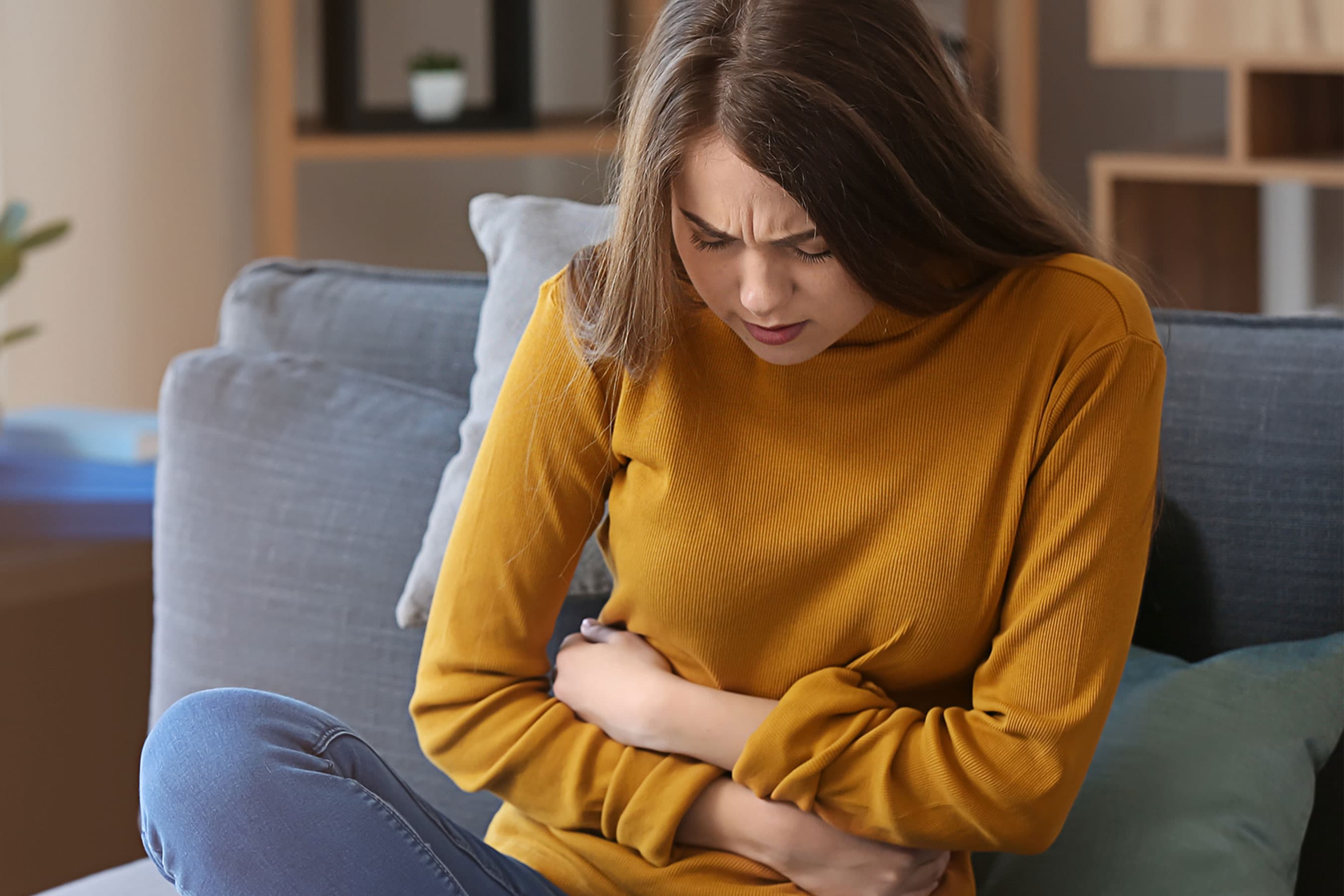
- Pain or discomfort in the lower abdomen right before or with a menstrual period, which can range from mild to severe.
- Pain occurs with a backache, fatigue, headache, diarrhea and/or vomiting.
- Symptoms can vary from month to month or year to year.
Causes
Menstrual cramps occur when muscles of the uterus squeeze the lining out. This is a part of normal menstruation. They occur often in females who have just begun to menstruate. They may go away or become less severe after a woman reaches her mid-twenties or gives birth. (Childbirth stretches the uterus.)
Menstrual cramps occur much less often in women who do not ovulate. In fact, birth control pills reduce painful periods in most females who take them. When the birth control pill is stopped, the same level of pain returns.
Menstrual cramps can be due to other problems. Examples are fibroids, endometriosis, ovarian cysts, and rarely, cancer. Having an intrauterine device (IUD), especially if you’ve never been pregnant, can also cause menstrual cramps, except with a hormonal IUD, such as Mirena®. It releases a small amount of progesterone into the uterus. This lessens cramps and lightens menstrual flow or stops menstrual flow completely while in use.
Treatment
Self-care measures treat most cases of menstrual cramps. If not, a doctor can diagnose the cause and prescribe treatment.
Self-Care
To Relieve Menstrual Cramps
- Take an over-the-counter pain reliever, such as ibuprofen, naproxen sodium, or aspirin. These nonsteroidal anti-inflammatory drugs (NSAIDS) relieve pain and inhibit the release of prostaglandins. Acetaminophen will help with pain, too. Most over-the-counter menstrual discomfort products contain acetaminophen. Read labels. {Note: Do not give aspirin or any medication with salicylates to anyone 19 years of age or younger due to its link with Reye’s Syndrome.}
- Hold a heating pad or hot-water bottle on your abdomen or lower back.
- Take a warm bath.