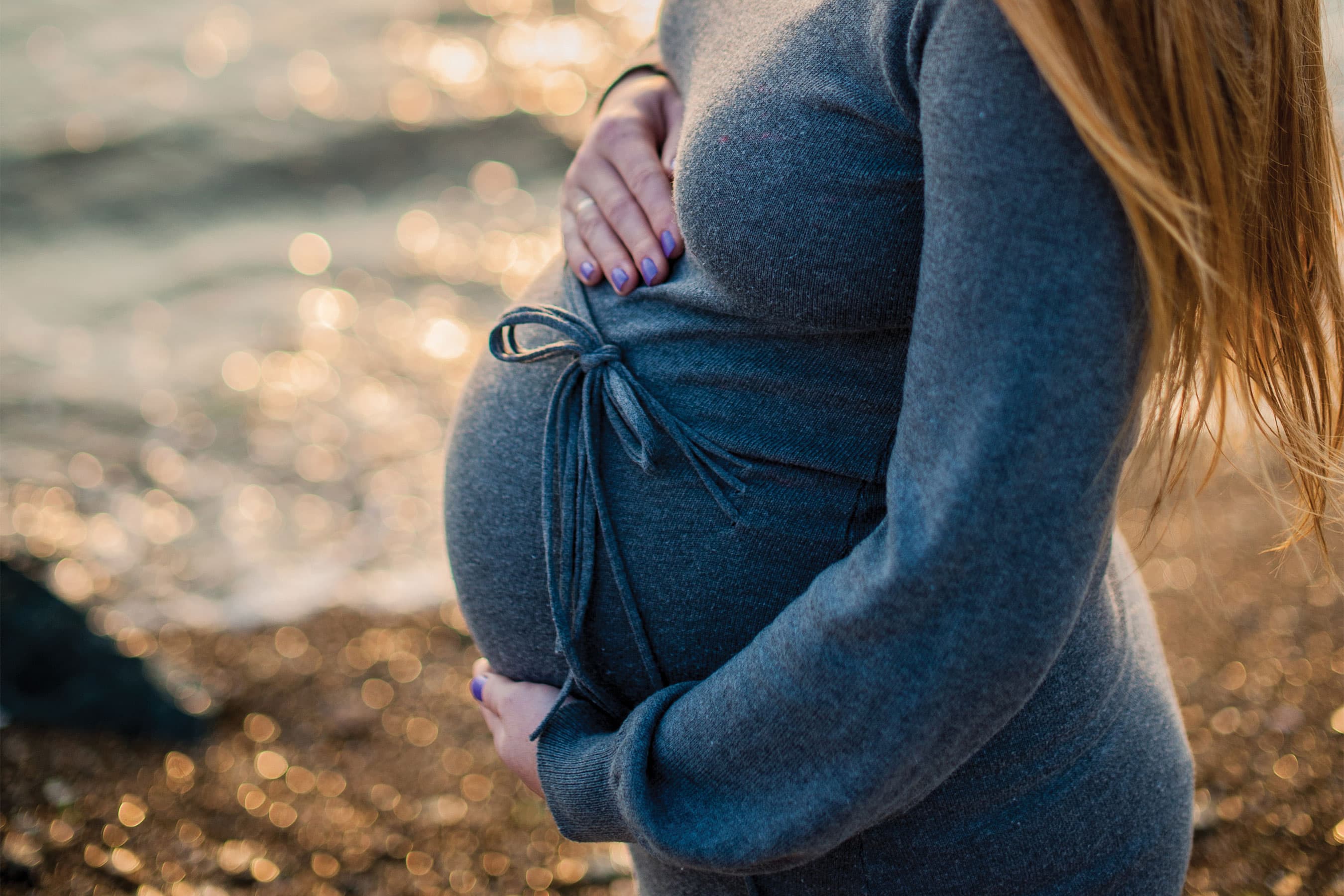
Special Needs for Pregnant Teens
June 19, 2026
Online Clinic
Pregnancy & Prenatal Care
Women's Health
Pregnant teens can have a healthy pregnancy and give birth to a healthy baby.
However, teen mothers can often face health risks because they often do not seek early prenatal care or get regular prenatal checkups. Both of these things are needed for the health of the baby and the mother.
Risk Factors
Pregnant teens have more risk for:
- A low birth-weight baby. A young mother is at a greater risk of having a low birth-weight baby (less than 5-1/2 pounds). It may result from the mother’s unhealthy diet, illness, or preterm birth. A preterm birth is one that happens 3 weeks or more before the due date.
- Low blood iron. A teen mother may get anemia because she doesn’t eat a healthy diet. She may not take daily prenatal vitamins. These also supply needed minerals, including iron.
- Illness during pregnancy
- Preeclampsia.
- Cesarean section (C-section) delivery. The teen mother’s pelvic bones may not be fully grown. The baby may not be able to pass through the pelvis.
- Death among newborns.Infants born to mothers under 20 are more likely to die within the first year of life than babies born to women older than 20 years.
Diagnosis
Teens need regular prenatal care. Blood pressure, weight gain, iron, and blood sugar should be checked. Problems can be treated as they arise. Early treatment helps protect the health of the mother and baby.
Self-Care
- As a teen, tell an adult you trust about your pregnancy. Ask this person to help you get proper medical care.
- Early prenatal care will help you stay healthy. It will help your baby stay healthy, too.
- Get plenty of rest.
- Follow your health care provider’s advice for any medical problem you have.
- Eat healthy foods. Get enough calories and nutrients. You are still growing. You need extra protein and calcium. Protein is in meat, beans, milk, and cheese. Calcium is in milk, cheese, and greens, like collard greens and broccoli. Some juices and breads have calcium added. Tofu (soy bean curd) has calcium, too (if it says so on the label).
- Drink at least 8 glasses of water a day.
- Take the daily prenatal vitamins your health care provider advises. These help supply the extra vitamins and minerals you need.