Bad Breath
July 20, 2026
Online Clinic
Dental & Mouth
Dental & Mouth Conditions
© American Institute for Preventive Medicine. All Rights Reserved. HealthyLife.com
Bad breath (halitosis) is a social concern. It can be a health issue, too.
Signs & Symptoms
- A bad odor from the mouth. To detect this, wipe the back of your tongue with a piece of white, sterile gauze. After 5 minutes, smell the gauze for an odor.
- An unpleasant taste is in the mouth.
- You are told you have bad breath.
Causes
Bacteria on the tongue, dry mouth, and strong odors of food, such as garlic and onions, are common causes of bad breath. Other causes are smoking, alcohol, ill-fitting dentures, and infections of the gums or teeth. Less often, bad breath is due to another problem, such as a sinus infection or indigestion.
Treatment
The Self-Care/Prevention items listed on this page treat most cases of bad breath. If not, your dentist can prescribe:
- A special toothpaste
- A mouth rinse
- A special brush
- A tongue scraper
- An antimicrobial solution
- Bleeding, swelling, or pain in the mouth or throat
- Chronic cough
- Digestion problems. Weight loss.
- Puffy, reddened gums
Self-Care / Prevention
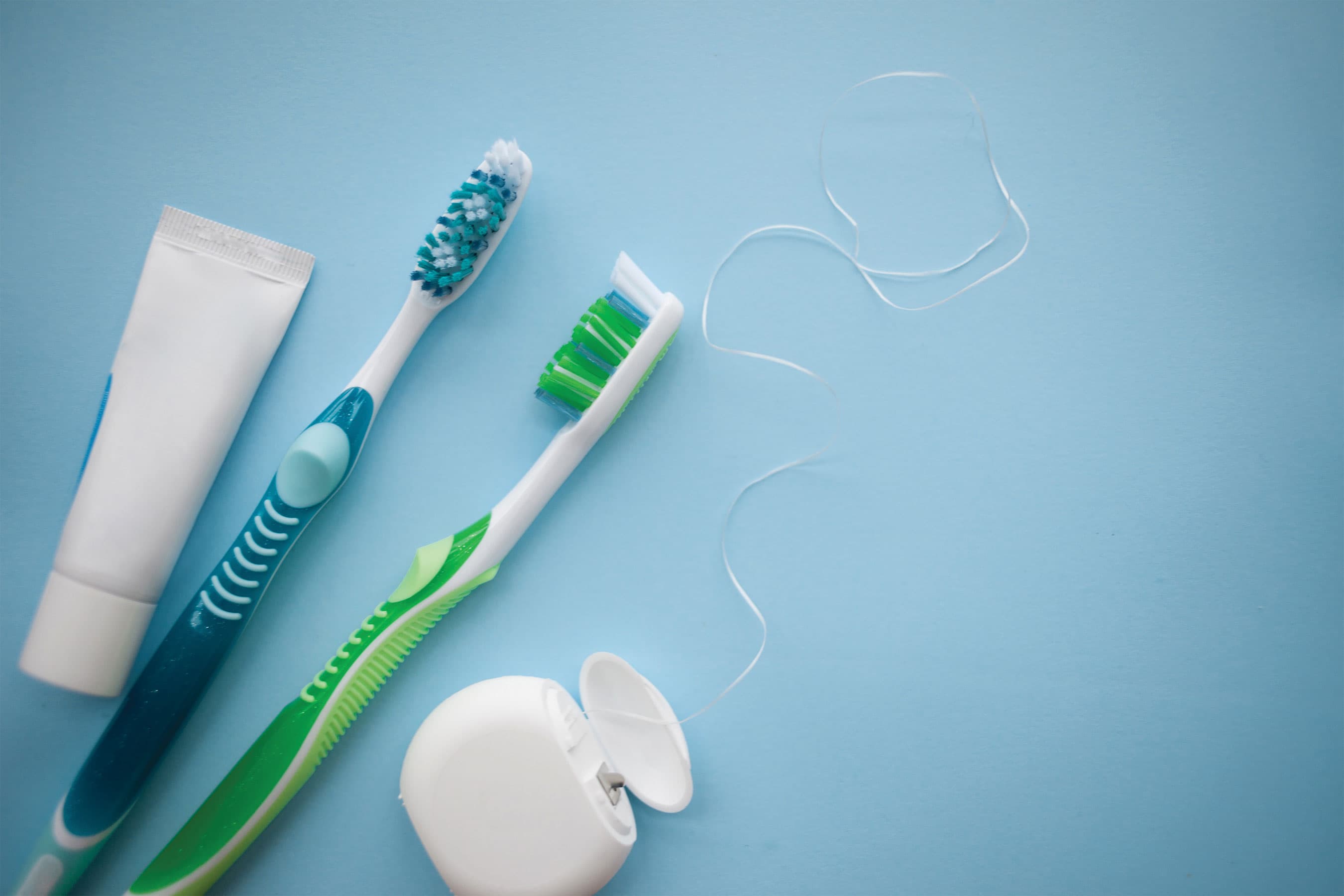
- Brush twice a day and clean between your teeth daily with floss.
- After meals, rinse your mouth with water, or chew parsley, mint leaves, celery, or carrots.
- If you wear dentures, clean and care for them as advised by your dentist.
- Use over-the-counter mouthwashes but be aware they are only a temporary solution.
- Don’t smoke.
- Limit or avoid alcohol.
- To prevent dry mouth, drink plenty of water and other liquids.
- Eat nutritious foods. Limit sugary foods.
- Chew sugarless gum or suck on lemon or other citrus drops. These help make saliva. Saliva helps deal with bacteria on the teeth and washes away food particles.